
What is Child Labour?
Child labour is defined as, the participation of young children under the age of 15 years in the labour force, with the aim to earn a living or to support household income.
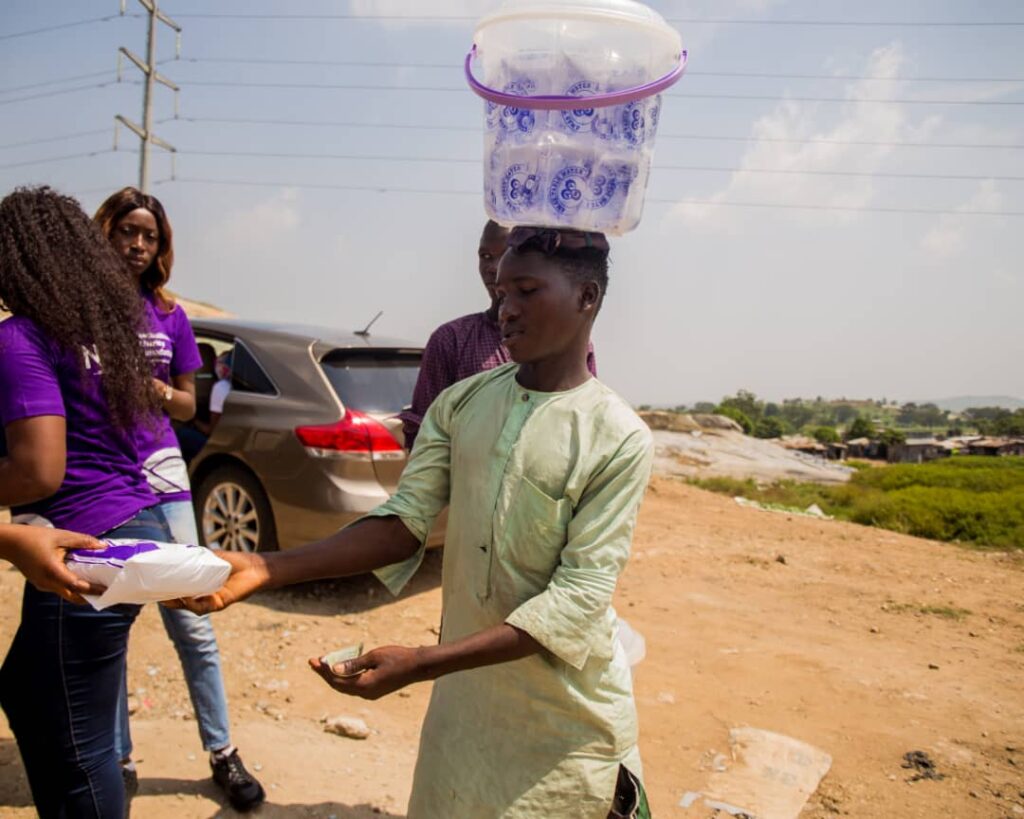
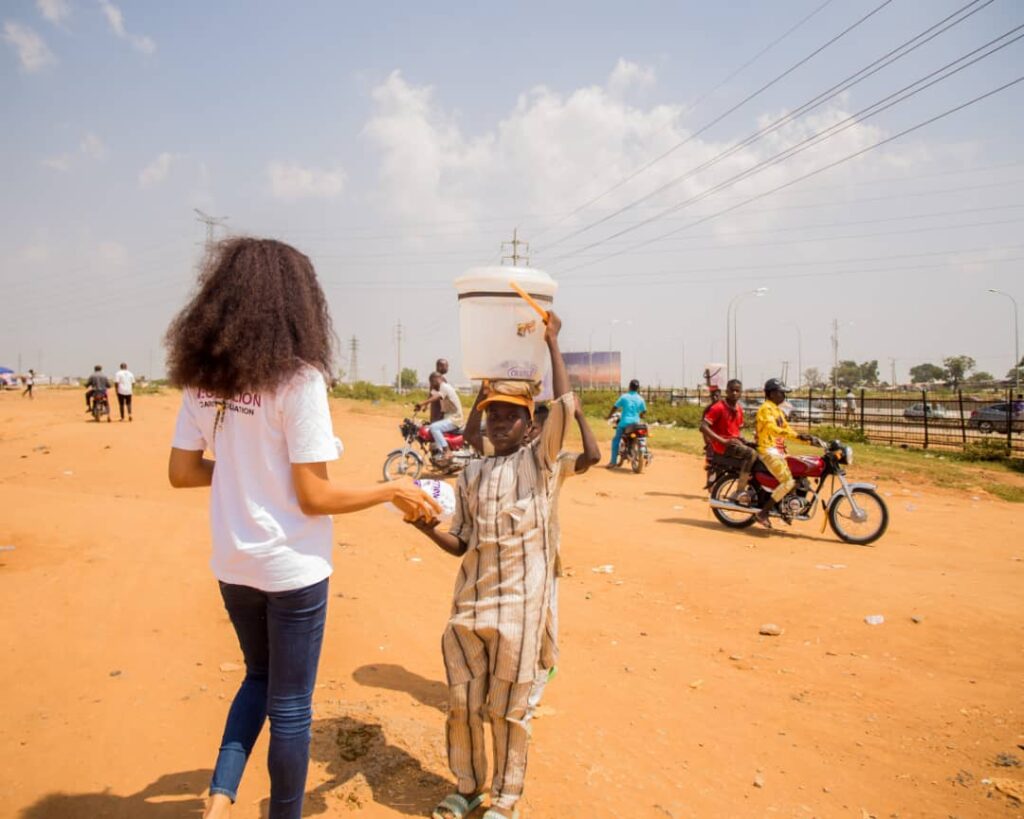
Children in Nigeria are employed in public places and markets: as street vendors (64%); beggars and shoe shiners (4%); car washers/watchers (6%); scavengers (5%); and feet washers(8%).
Reasons for Child Labour;
The philosophy of most cultures in Nigeria, have encouraged children to work with their families, in order to learn skills they would need in adulthood.
In other cases, there is a need for children to support in providing the household income.
Also child labour occurs as a result of children being orphans and without a guardian.
Effects of Child Labour on Education;
Child labour affects both the ability to attend school, and to benefit from schooling.
Child labour is a major challenge for the attainment of the goals of Education for All (EFA) in Nigeria.
When children are employed in one form of labour or the other, they tend to drop out of primary and secondary schools.
Missing out on education makes it impossible to break the cycle of poverty and exploitation and prevents children from having better life and a safe future.
Actions to curb Child Labour;
The Labor Act of 1974 prohibited the employment of children under the age of 15 years in commerce and industry. It also restricted labor performed by children to home-based agricultural or domestic work.
How NBCF is taking kids off the street;
NBCF last year, embarked on a “Prep to Child, Back to School Campaign” whereby children were provided with full scholarship which included school fees, writing materials, stipends, uniforms, school bags,school shoes, etc.
To ensure that nothing hinders their Education.